
Hawaii Time
Hawaii-Aleutian Standard Time - HAST (UTC-10)
Hawaii-Aleutian Daylight Time - HADT (UTC-9)
Honolulu
Alaska Time
Alaska Standard Time - AKST (UTC-9)
Alaska Daylight Time - AKDT (UTC-8)
Anchorage
Pacific Time
Pacific Standard Time - PST (UTC-8)
Pacific Daylight Time - PDT (UTC-7)
Vancouver
Las Vegas
Los Angeles
Mountain Time
Mountain Standard Time - MST (UTC-7)
Mountain Daylight Time - MDT (UTC-6)
Edmonton
Denver
Phoenix
Central Time
Central Standard Time - CST (UTC-6)
Central Daylight Time - CDT (UTC-5)
Winnipeg
Chicago
Eastern Time
Eastern Standard Time - EST (UTC-5)
Eastern Daylight Time - EDT (UTC-4)
Toronto
New York
Atlantic Time
Atlantic Standard Time - AST (UTC-4)
Atlantic Daylight Time - ADT (UTC-3)
Halifax
Newfoundland Time
Newfoundland Standard Time - NST (UTC-3:30)
Newfoundland Daylight Time - NDT (UTC-2:30)
St. John's
Newfoundland Standard and Daylight Time
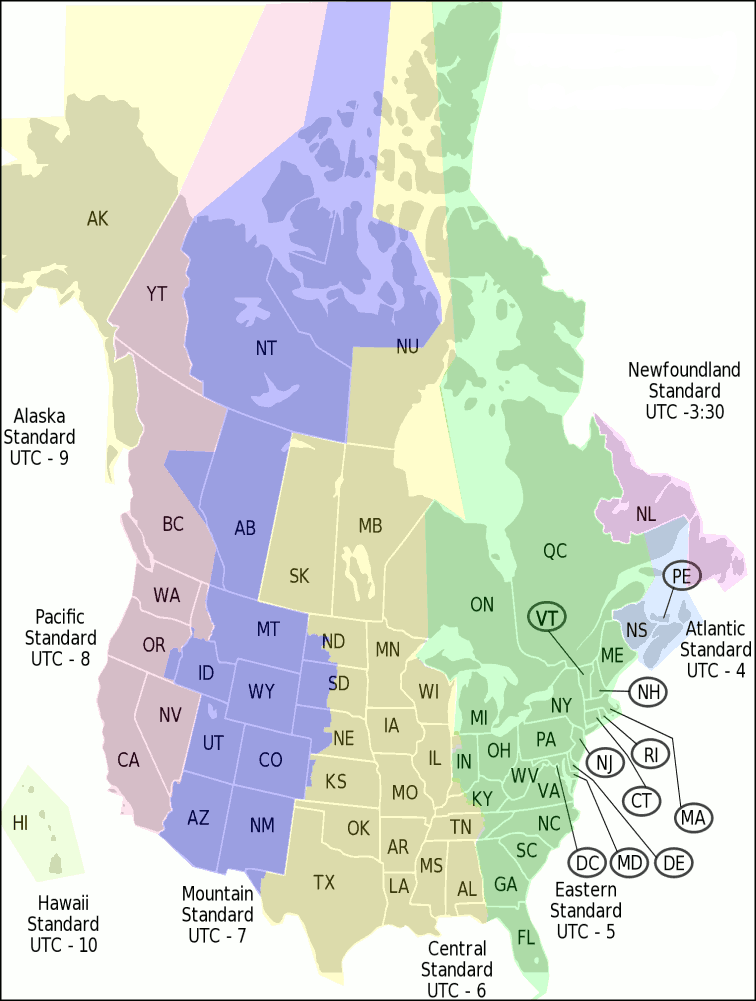
Newfoundland Time sits three and a half hours behind UTC (UTC-3:30) for most of the year, shifting to two and a half hours behind (UTC-2:30) during daylight saving time. The half-hour offset is unusual — most time zones sit on the hour relative to their neighbours, but Newfoundland sits half an hour ahead of Atlantic Time next door. The clock here is set to the mean solar time of roughly 52°30' west of Greenwich.
Newfoundland is the only place in North America still keeping a half-hour offset — every other zone on the continent sits squarely on the hour. Elsewhere, the half-hour offset shows up almost exclusively across Asia: India (UTC+5:30), Iran (UTC+3:30), and Afghanistan (UTC+4:30) all keep one, as does central Australia (UTC+9:30) a little further south. A handful of places go even further still, to a 45-minute offset — Nepal (UTC+5:45) is the best-known example. Newfoundland's own half hour has no real neighbor anywhere on its own continent.
Where It's Actually Used
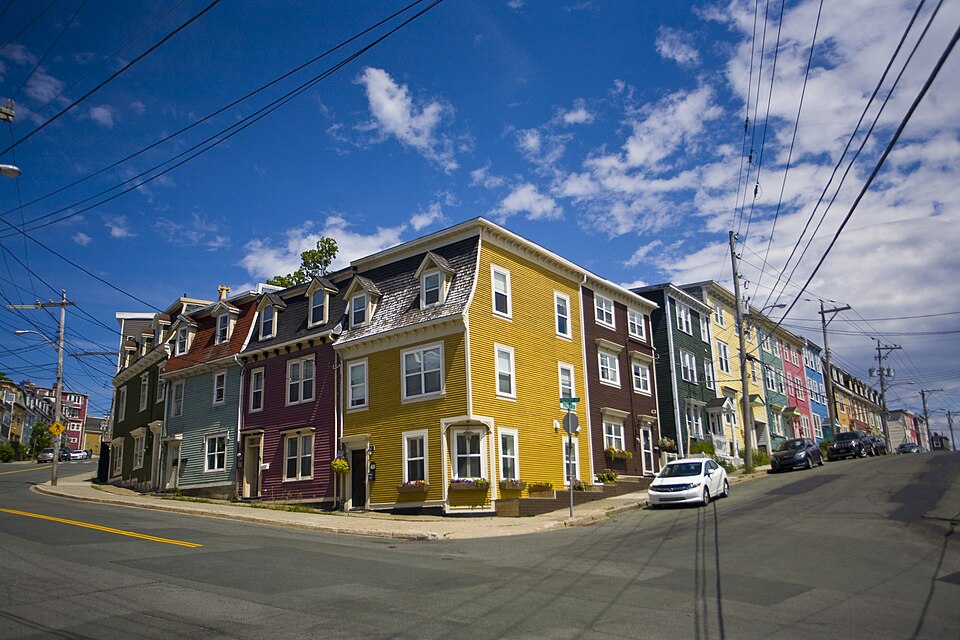
By provincial legislation, Newfoundland Time technically covers the entire province of Newfoundland and Labrador. In practice, it's really only kept on the island of Newfoundland itself, its offshore islands, and the southeastern corner of Labrador as far north as Black Tickle. The rest of Labrador — from Cartwright northward — runs on Atlantic Time instead, partly because southeastern Labrador's communities have long synchronized with radio broadcasts out of Newfoundland rather than the mainland.
The zone exists at all because Newfoundland was its own British dominion when time zones were first standardized — a separate country, on its own clock, that never quite gave up the half hour when it joined Canada in 1949.
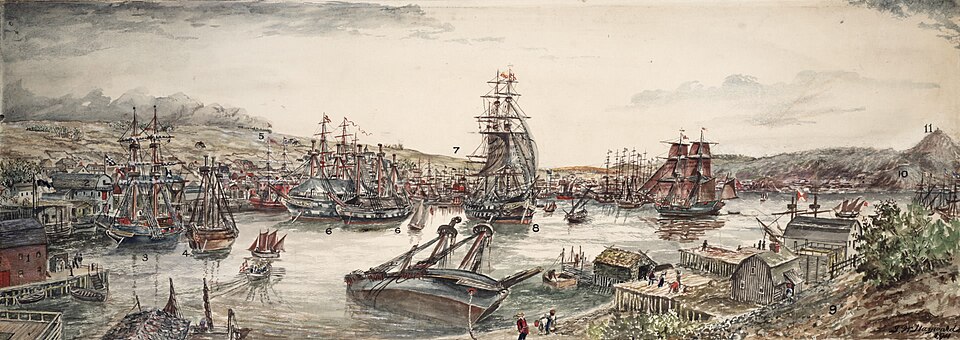
The half-hour offset itself dates to 1935, when Newfoundland's government passed the Standard Time Act specifically to end years of local confusion — before then, St. John's had no single agreed time at all, with some residents keeping solar time, the post office keeping its own version of solar time, and the wireless telegraph office running on Eastern time instead. The new law set the whole dominion's clock 3 hours 30 minutes behind Greenwich, chosen because St. John's itself sits almost exactly on the 52°30' meridian — the natural line for a half-hour zone, and the same reference already used to explain the offset above. When Confederation came in 1949, aligning with the rest of Atlantic Canada would have been the simpler choice, and there was real political pushback in favour of it — but Newfoundland Time survived anyway, as one of the few pieces of the old dominion that Confederation left untouched.
The Edge of the Continent
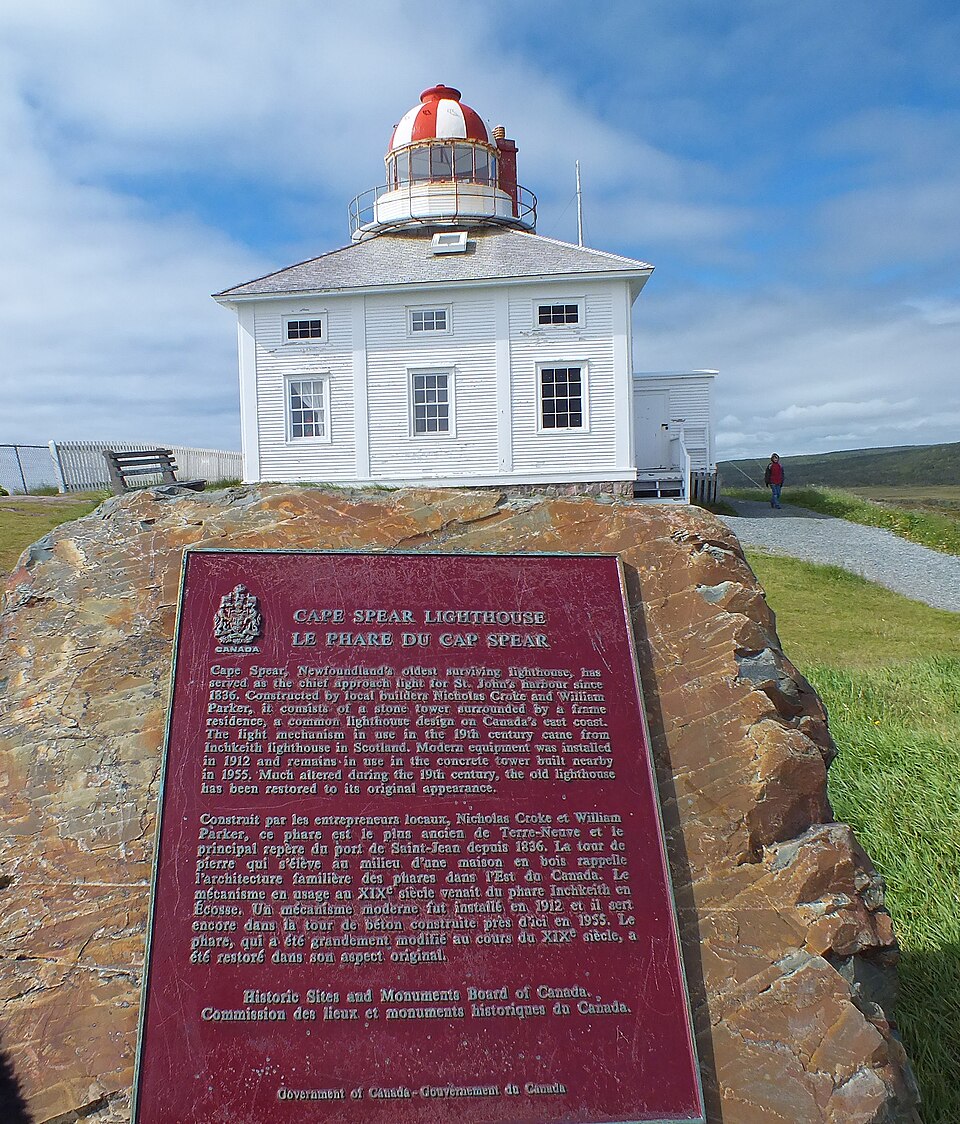
St. John's is the easternmost city in North America (Greenland aside), and its position means it's usually the first place on the continent to see the sun rise each morning — narrowly beaten only by Cape Spear, a headland just outside the city that marks the continent's actual easternmost point. That same edge-of-the-continent position is exactly why Newfoundland Time itself runs ahead of every other zone described on this page: being furthest east means both the earliest sunrise and the most-advanced clock. St. John's has made good use of that position before, too — it's where the first non-stop transatlantic flight departed from, in 1919, decades before commercial air travel existed.
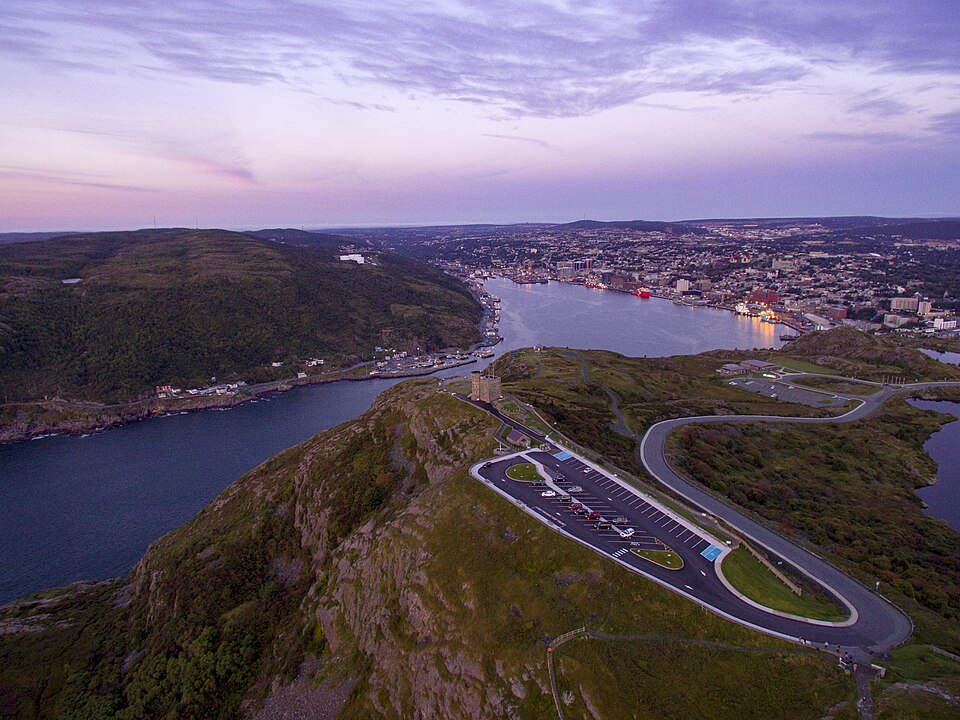
The half-hour offset creates a genuine, everyday quirk: television and radio programming produced elsewhere in Canada is built to start on the hour, so on the island it actually starts at the half hour instead — the CBC, among others, adjusts its own schedules specifically to account for it. It's a small, constant reminder that Newfoundland Time was built around St. John's own solar clock first, and around compatibility with the rest of the continent only second.
Daylight Saving Time in the USA and Canada
Daylight saving time begins at 2:00 a.m. on the second Sunday of March and ends at 2:00 a.m. on the first Sunday of November, in every USA and Canada time zone that observes it.
North America DST Change Dates
| Year | Begins | Ends |
|---|---|---|
| 2021 | Sunday, 14 March, 02:00 | Sunday, 7 November, 02:00 |
| 2022 | Sunday, 13 March, 02:00 | Sunday, 6 November, 02:00 |
| 2023 | Sunday, 12 March, 02:00 | Sunday, 5 November, 02:00 |
| 2024 | Sunday, 10 March, 02:00 | Sunday, 3 November, 02:00 |
| 2025 | Sunday, 9 March, 02:00 | Sunday, 2 November, 02:00 |
| 2026 | Sunday, 8 March, 02:00 | Sunday, 1 November, 02:00 |
| 2027 | Sunday, 14 March, 02:00 | Sunday, 7 November, 02:00 |
| 2028 | Sunday, 12 March, 02:00 | Sunday, 5 November, 02:00 |
| 2029 | Sunday, 11 March, 02:00 | Sunday, 4 November, 02:00 |
| 2030 | Sunday, 10 March, 02:00 | Sunday, 3 November, 02:00 |
| 2031 | Sunday, 9 March, 02:00 | Sunday, 2 November, 02:00 |
Daylight saving time begin and end dates in the USA and Canada.
North American Time Zones
The same eight time zones from the comparison above, organized by UTC offset instead of by name — useful for seeing which zones share a clock time once daylight saving time shifts them.
Time Zones by UTC Offset
| UTC Offset | Standard Time | Daylight Time |
|---|---|---|
| UTC-10 | Hawaii-Aleutian | — |
| UTC-9 | Alaska | Hawaii-Aleutian |
| UTC-8 | Pacific | Alaska |
| UTC-7 | Mountain | Pacific |
| UTC-6 | Central | Mountain |
| UTC-5 | Eastern | Central |
| UTC-4 | Atlantic | Eastern |
| UTC-3:30 | Newfoundland | — |
| UTC-3 | — | Atlantic |
| UTC-2:30 | — | Newfoundland |
Time zones in North America, by UTC offset.
GMT and UTC
Greenwich Mean Time (GMT) originally referred to mean solar time at the Royal Observatory in Greenwich, London. Coordinated Universal Time (UTC) is the modern, atomic-clock-based standard that has replaced it for precise timekeeping — but the two are close enough that they're used interchangeably in everyday contexts, including throughout this page.